


Samford University’s Doctor of Pharmacy (PharmD) program offers a personalized path to your pharmacy career—whether in community or hospital pharmacy, residency, medical missions or beyond.
Top-Ranked Private School of Pharmacy in the South—U.S. News & World Report (2026)
92%
MPJE First-Time Pass Rate (5-Year Average); Higher than National Average (80%)
#2
In the Nation for Student Character Development
—Wall Street Journal (2025)
#3
In the Nation for Career Preparation
—Wall Street Journal (2026)
What is the Doctor of Pharmacy?
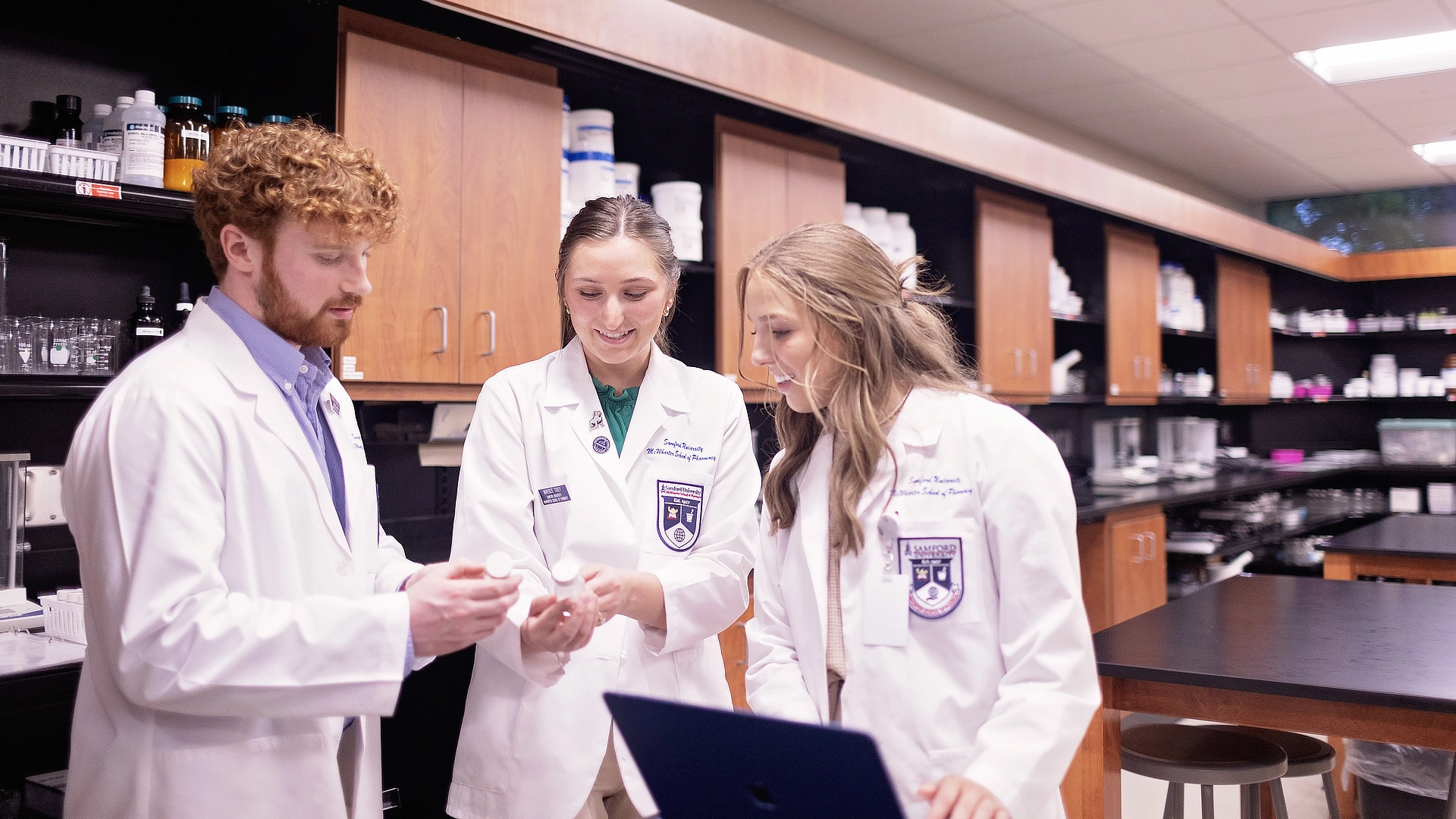
Samford's Doctor of Pharmacy (PharmD) program is more than a career path—it is a calling to serve others through pharmacy. Designed for students who want to make a meaningful impact, the program combines practice‑ready clinical training, interprofessional education and a Christ‑centered mission to prepare compassionate, ethical pharmacists ready to lead in an evolving healthcare landscape.
Why Choose Samford’s PharmD Program
No two pharmacy careers look the same—and your education shouldn’t either. McWhorter School of Pharmacy offers unique opportunities to personalize your PharmD.
Joint Degrees
Our unique set of joint degrees enable you to customize your degree, aligning it with your career goals, whether it be with business, law, public health, healthcare administration, health informatics or nutrition.
Student Research
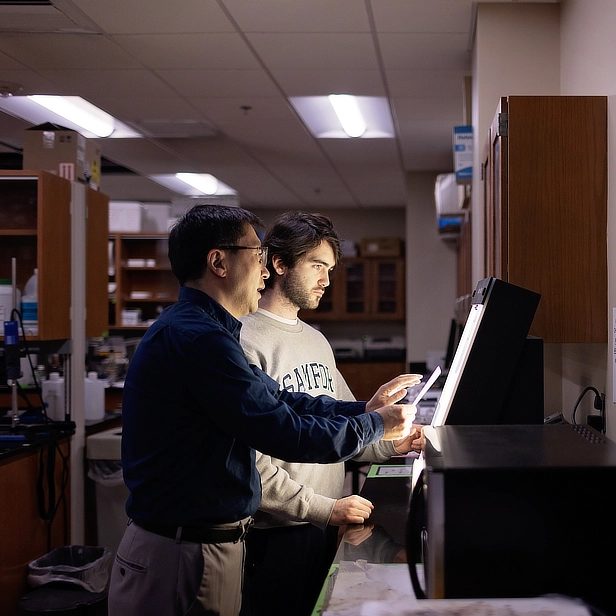
Students have multiple opportunities to become actively involved in research and and have opportunities to be involved further through research electives or our summer research internship program.
Innovative Facilities
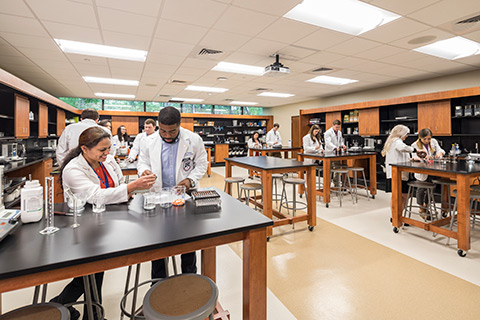
The College of Health Sciences houses a dedicated simulation center providing hands-on, realistic clinical training with standardized patients, electronic records and advanced technology to strengthen clinical decision-making and patient care skills.
Supportive Environment
As a Christian institution, McWhorter School of Pharmacy fosters a supportive and nurturing learning environment where students benefit from close faculty-student interactions and mentorship from highly credentialed faculty dedicated not only to teaching, but to training compassionate and competent pharmacists.
International Opportunities
We are committed to expanding our international reach with opportunities available with study abroad, mission trips and advanced pharmacy practice experiences.
Location
The school is in Birmingham, Alabama, a major healthcare hub, providing diverse opportunities for clinical rotation.
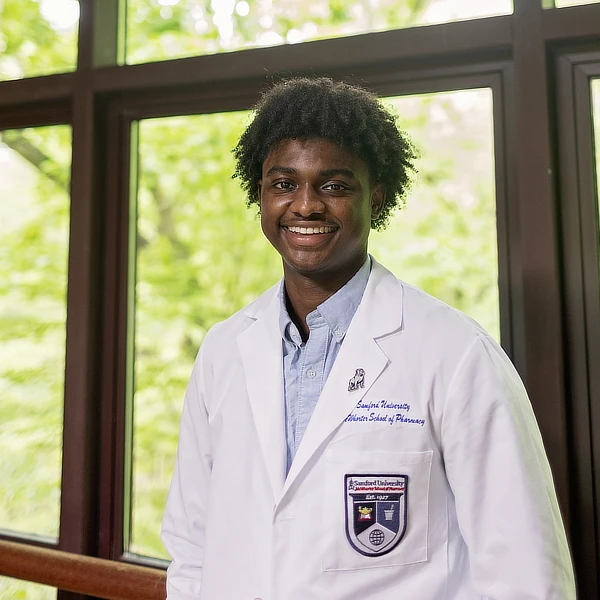
“The faculty and staff dedicate so much time to an engaging and practice prepared curriculum, while being so intentional in building fruitful rapport with students. All encompassed with a central dedication to our why, which is our faith in Jesus Christ.”
—Jon Coley, Doctor of Pharmacy Student
Curriculum & Learning Model
At McWhorter School of Pharmacy, the Doctor of Pharmacy curriculum engages students in active learning and strengthens critical thinking to prepare practice-ready pharmacists from day one.
The curriculum emphasizes professional development and patient-centered care while connecting foundational science with clinical application. Graduates are equipped to meet the evolving role of pharmacists and succeed in diverse health care settings.
PharmD Curriculum Overview
Didactic Coursework with integrated sciences and clinical application
Introductory Pharmacy Practice Experiences (IPPEs)
Advanced Pharmacy Practice Experiences (APPEs)
Licensure preparation
Integrated Curriculum Designed for Practice-Ready Pharmacists
Samford’s PharmD curriculum is built on an integrated learning model that connects pharmaceutical sciences, clinical application and professional development across all four years of the program.
At McWhorter School of Pharmacy, classroom learning is reinforced through hands-on experiences across diverse practice settings and patient care environments.
Introductory Pharmacy Practice Experiences (IPPEs)
IPPEs provide progressive hands-on training in community and institutional pharmacy settings throughout the first three professional years. In the P1 year, students build foundational skills through community pharmacy experiences followed by institutional pharmacy and medication safety training in the P2 year.
During the P3 year, students complete a 40-hour community pharmacy experience focused on public health, immunizations and wellness while participating patient care activities that strengthen clinical and communication skills.
APPEs provide fourth-year student pharmacists with 1,600 hours of immersive clinical training across diverse pharmacy practice settings. Through required and elective rotations in areas such as ambulatory care, community pharmacy, health systems and population health, students gain advanced clinical experience and the patient care skills needed to become practice-ready pharmacists.
DASH and SPRINT Weeks
The curriculum includes DASH (Developing Academic Success and Health) and SPRINT (Simulating Practice Readiness and Teamwork) weeks-intensive learning periods that reinforce knowledge, build clinical confidence and access readiness for real-world pharmacy practice.
Are there prerequisites for the Doctor of Pharmacy (PharmD) program?
Yes, Samford’s McWhorter School of Pharmacy requires specific, rigorous prerequisites for its Doctor of Pharmacy (PharmD) program. Applicants must complete these within five years or have a bachelor's degree.
Do I need a minimum GPA to enter the program?
Yes. Applicants must have a minimum 2.0 overall GPA and a 2.0 GPA in Math/Science prerequisite courses to be considered.
Do I have to interview to enter the program?
Yes. Applicants who meet the minimum GPA requirement and also meet at least one of the McWhorter School of Pharmacy interview eligibility requirements may be invited for an interview.
Are internships or field experiences required?
Yes. Internships and field experiences, known as Pharmacy Practice Experiences (PPE), are required and fundamental to the curriculum. The program emphasizes hands-on learning with 1,600 hours of clinical work in the fourth year, alongside earlier practice experiences, to ensure professional readiness. McWhorter School of Pharmacy also offers three residency options.
Are there research opportunities available for pharmacy students?
Yes. Students have access to robust research opportunities, including departmental research projects, research elective courses, a competitive summer research internship, and a required Capstone senior research project. These opportunities offer meaningful engagement in scientific inquiry and expand the depth of the pharmacy curriculum.
Why do I have to apply to Samford and this school separately?
Traditional PharmD applicants apply only through PharmCAS, the national centralized application service used by pharmacy schools to review academic history, prerequisite completion and supporting materials.