


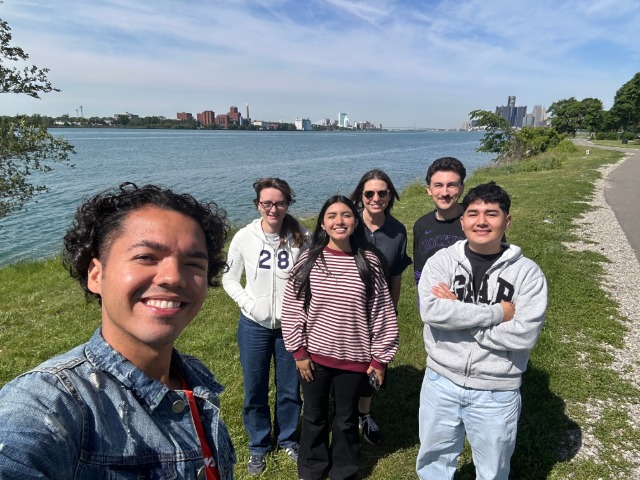
The energy was immediate.
From the moment a group of Samford University architecture students arrived at the Design Futures Forum in Detroit, they sensed something different—an experience that would stretch how they think about design and their place within it.
“My first impression was really positive,” said Braden Williams, a junior architecture major. “I didn’t know what to expect, but I could immediately feel the energy and excitement. After that, I knew the rest of the week was going to be special.”
What followed was not a typical conference.
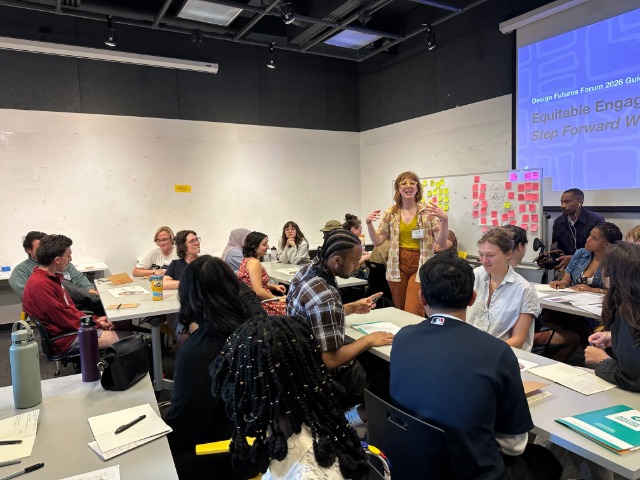 “I expected to mostly discuss architecture,” said senior architecture student Aileen Soto Campero. “Instead, we talked about identity, history, leadership, equity and healing.”
 Learning to Listen
Across sessions and site visits, one idea surfaced repeatedly: good design starts long before anything is built.
“I realized my job isn’t just to design,” said Ivan Loredo-Mancilla, a junior majoring in architecture. “It’s to listen—and then help turn what I hear into something real.”
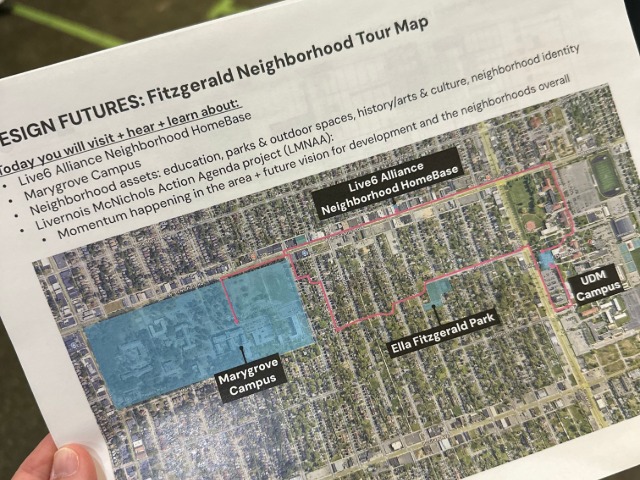
That idea came into focus during a tour of Detroit neighborhoods, where students saw firsthand how local organizations are working toward long-term revitalization.
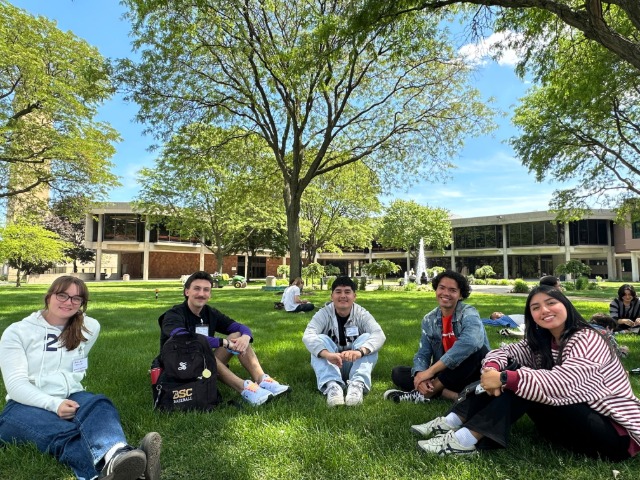 “It’s one thing to hear people talk about change,” Williams said. “It’s another to actually see it happening and understand the process behind it.”
“Visiting the Fitzgerald neighborhood during one of the Local Day tours was especially impactful because it demonstrated how a community-driven vision transformed dozens of vacant lots into Ella Fitzgerald Park and a greenway that reconnects people and places," said Callan Childs, assistant professor of architecture. "It challenged our students to think differently about vacancy, not simply as a problem to solve, but as an opportunity to advance spatial justice, strengthen community connections and reimagine how neighborhoods can grow. Those experiences will continue to shape my teaching at Samford and the work we do alongside communities throughout Birmingham."
Moments That Stay With You 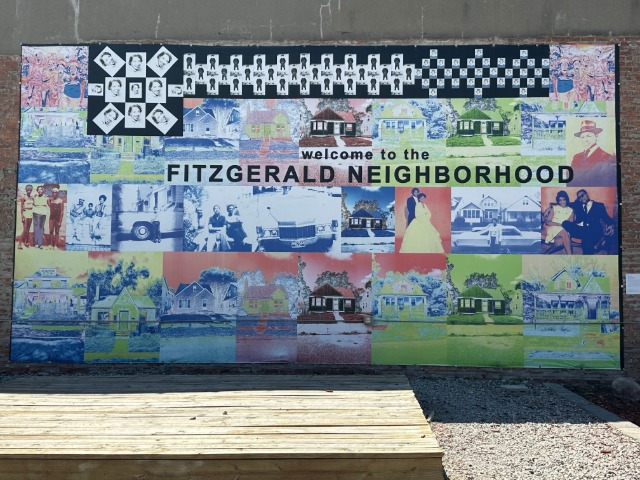
While structured sessions framed the experience, it was often the in-between moments that made the deepest impact.
“Talking with students from different schools was one of the most meaningful parts,” said Soto Campero. “We all came from different places, but we shared the same goal—to use design to make a positive impact.”
Loredo-Mancilla pointed to a different conversation with a design professional that challenged how he approaches his own work.
“It made me rethink how people see themselves in a space and how design can either include them or leave them out,” he said.
Even within the Samford group, the experience created space for deeper reflection. Near the end of the week, students gathered to process what they had seen and learned together.
“We realized we all want to make an impact on communities back home,” Williams said. “That was something we hadn’t really said out loud before.”
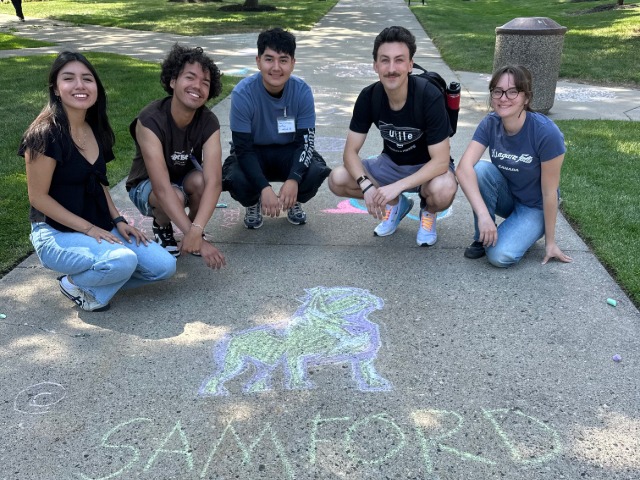 Childs said those shared moments of reflection were just as meaningful as the sessions themselves.
The Wall Street Journal ranks Samford #7 in the nation for student learning opportunities, a distinction reflected in experiences like the Design Futures Forum that extend learning far beyond the classroom.
By the time they left Detroit, students carried more than notes or new tools. They also carried a different frame of reference.
The forum expanded what Soto Campero imagines for her future.
“It made me think bigger,” she said. “Not just about my career, but about the kind of work I want to do and who it’s for.”
For Loredo-Mancilla, the takeaway was more direct.
 “You have to understand a place before you try to design for it,” he said. “If you skip that step, you’re missing the most important part.”
Williams said the experience also pushed him to think more intentionally about the role his own values will play in his work moving forward.
Carrying It Forward
What surprised students most wasn’t just what they learned, but how the experience was structured.
“It didn’t feel like a typical conference,” Soto Campero said. “It felt like a community.”
That sense of shared purpose is something they now carry back to their studios, their classrooms and their future work.
“Opportunities like this are invaluable,” Loredo-Mancilla said. “They change how you think, who you listen to and what you prioritize.”
For Childs, the experience reinforced the broader purpose of design education.
And for this group of students, the impact is already clear. Design is no longer just about what they will create. It’s about who they’re creating it with and who they’re creating it for.
