


Embrace your art.
Design your future.
At Samford University’s School of the Arts, creativity is shaped in community. Students don’t just study it—they practice, refine and learn how to carry it into a life of impact.
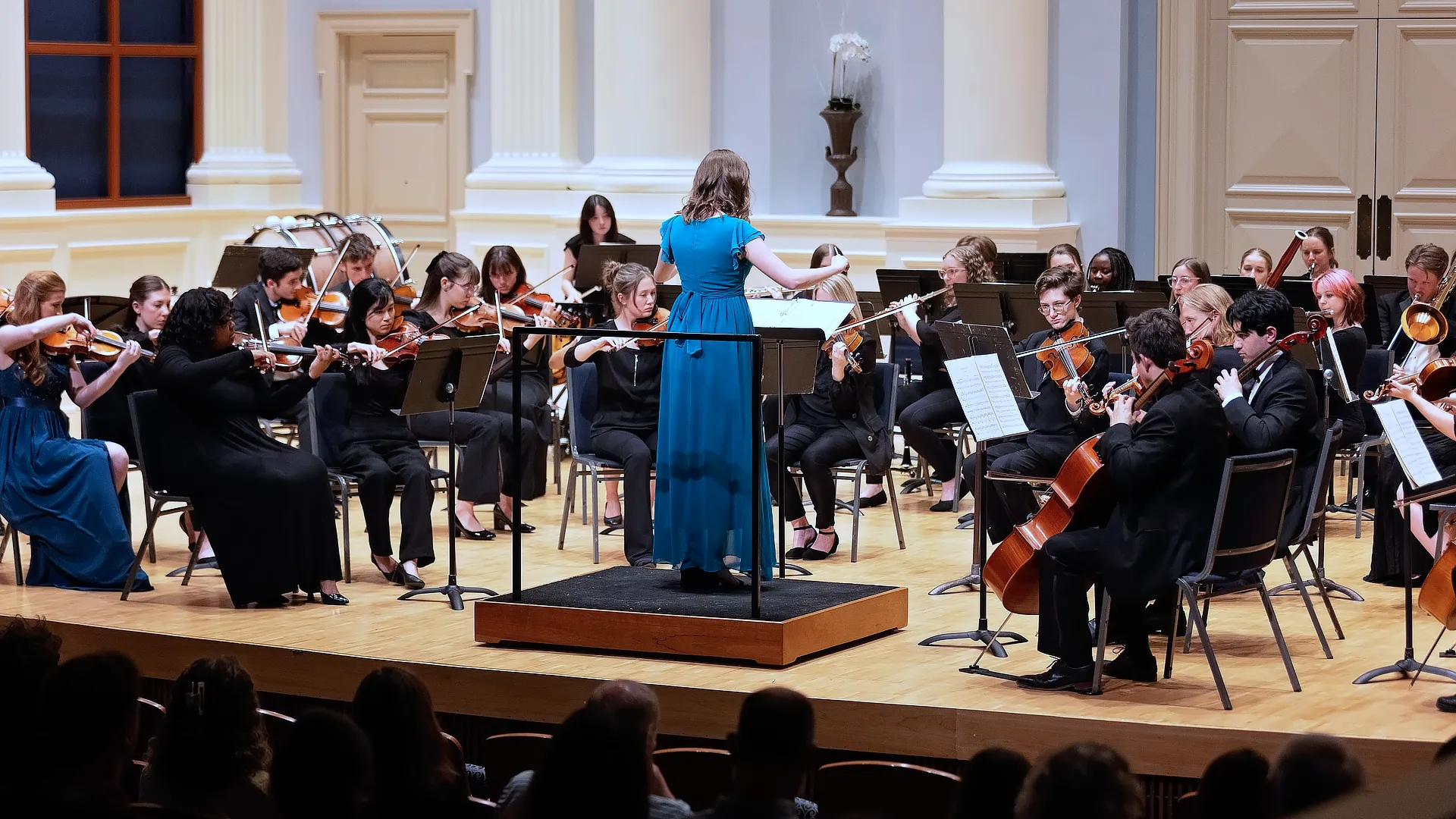
Here, students do more than pursue individual disciplines—they learn how to work alongside performers, designers, storytellers and leaders across a shared creative ecosystem. Musicians collaborate with theatre artists. Designers engage with architects. Ministry students work alongside creatives to communicate ideas with clarity and purpose.
This culture of collaboration is not incidental—it’s foundational. It reflects the realities of the professional world and creates an environment where students are challenged, supported and sharpened by one another.
Faculty mentors play an equally important role. As active practitioners in their fields, they invest deeply in each student’s growth—guiding not only artistic development, but also professional direction and personal formation.
Creativity with Purpose
The School of the Arts is grounded in a Christ-centered vision of education that connects creative work to a larger sense of calling.
Students are encouraged to ask not only what they can create, but why it matters. Across every discipline, creativity becomes a way to engage culture, serve others and communicate truth with clarity and excellence.
This integration of faith and practice shapes how students approach their work—whether they are designing spaces, performing on stage, composing music or leading in ministry contexts.
Disciplines That Work Together
The School of the Arts brings together a range of programs that intersect through shared practices and collaborative opportunities:
- Architecture and Interior Design
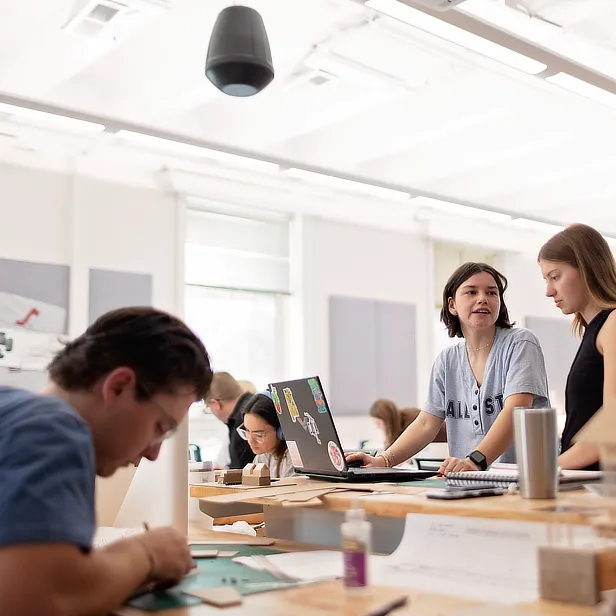
A studio-based environment where students develop human-centered design solutions through real-world and service-oriented projects. - Art and Design
Programs that develop both conceptual thinking and technical skill, preparing students to solve creative problems and build strong professional portfolios. - Christian Ministry
An interdisciplinary program that equips students to live out their calling through leadership, service and engagement across ministry contexts. - Music
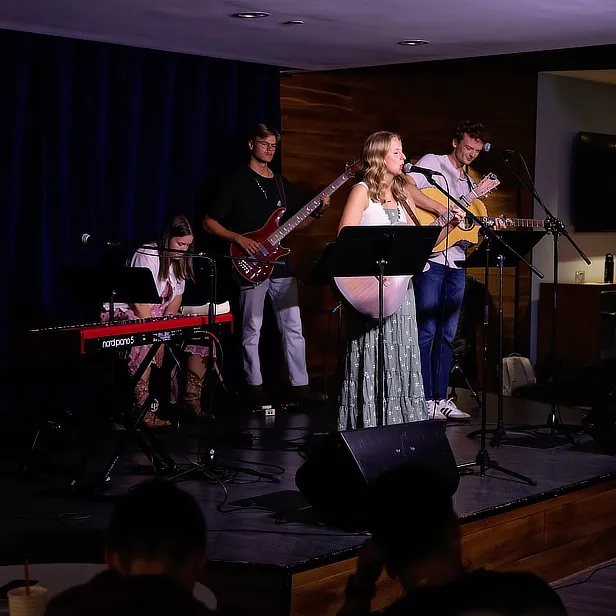
A comprehensive program where students refine their craft through ensembles, performance opportunities and diverse career pathways spanning classical, commercial and worship settings. - Theatre and Dance
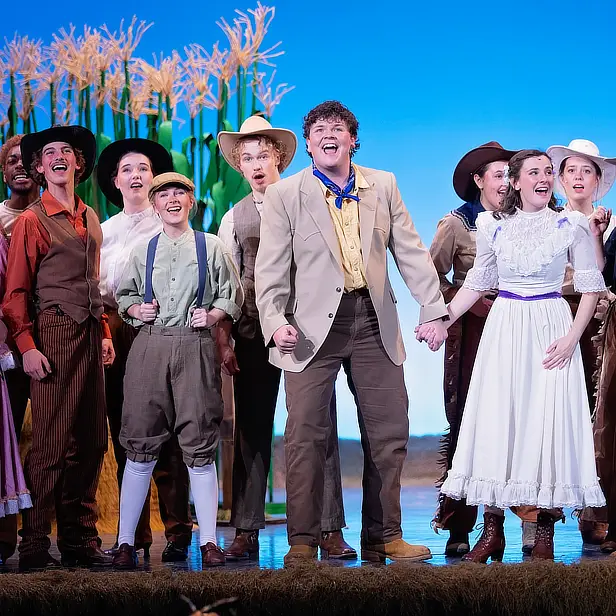
A production-driven program where students experience every aspect of storytelling, from performance and choreography to design and technology.
Together, these disciplines create an environment where creativity is not siloed, but shared—expanding how students think, collaborate and create.
Learning Through Experience
At the School of the Arts, learning is active, immersive and rooted in practice.
Students regularly:
- Perform in concerts, productions and ensemble settings
- Exhibit original work and participate in design showcases
- Engage in internships and professional partnerships
- Collaborate across disciplines on creative projects
- Complete capstone experiences that reflect real-world expectations
This emphasis on experiential learning ensures that students graduate not only with knowledge, but with the confidence, discipline and adaptability required in creative professions.

Preparation for What Comes Next
An arts education at Samford is designed with the future in mind.
Students are equipped to navigate evolving industries with both creative skill and professional awareness. Through mentorship, portfolio development and hands-on experience, they graduate prepared to pursue careers in the arts, continue their education and contribute to their communities.
The goal is not simply preparation for a job—but formation for a life of impact.
A School That Continues to Evolve
The School of the Arts builds on a strong foundation while continually adapting to meet the demands of a changing creative landscape.
By embracing new technologies, expanding interdisciplinary opportunities and strengthening connections to professional fields, the school remains focused on equipping students to thrive in a dynamic world.

