


Listening & Spoken Language
What is the Listening and Spoken Language Focused Study Initiative?
The Listening and Spoken Language Focused Study Initiative (LSL-FSI), designed for students in the Master of Science in Speech-Language Pathology program, prepares professionals with the specialized knowledge and skills needed to support children who are deaf or hard of hearing using listening and spoken language (LSL).
The LSL-FSI addresses this growing need by offering an accelerated path to Listening and Spoken Language Specialist (LSLS) certification through the Alexander Graham Bell Academy.
Why LSL?
More than 90% of babies who are deaf or hard of hearing are born to parents with typical hearing. At the same time, there is a critical national shortage of speech-language pathologists trained in listening and spoken language (LSL) practices.
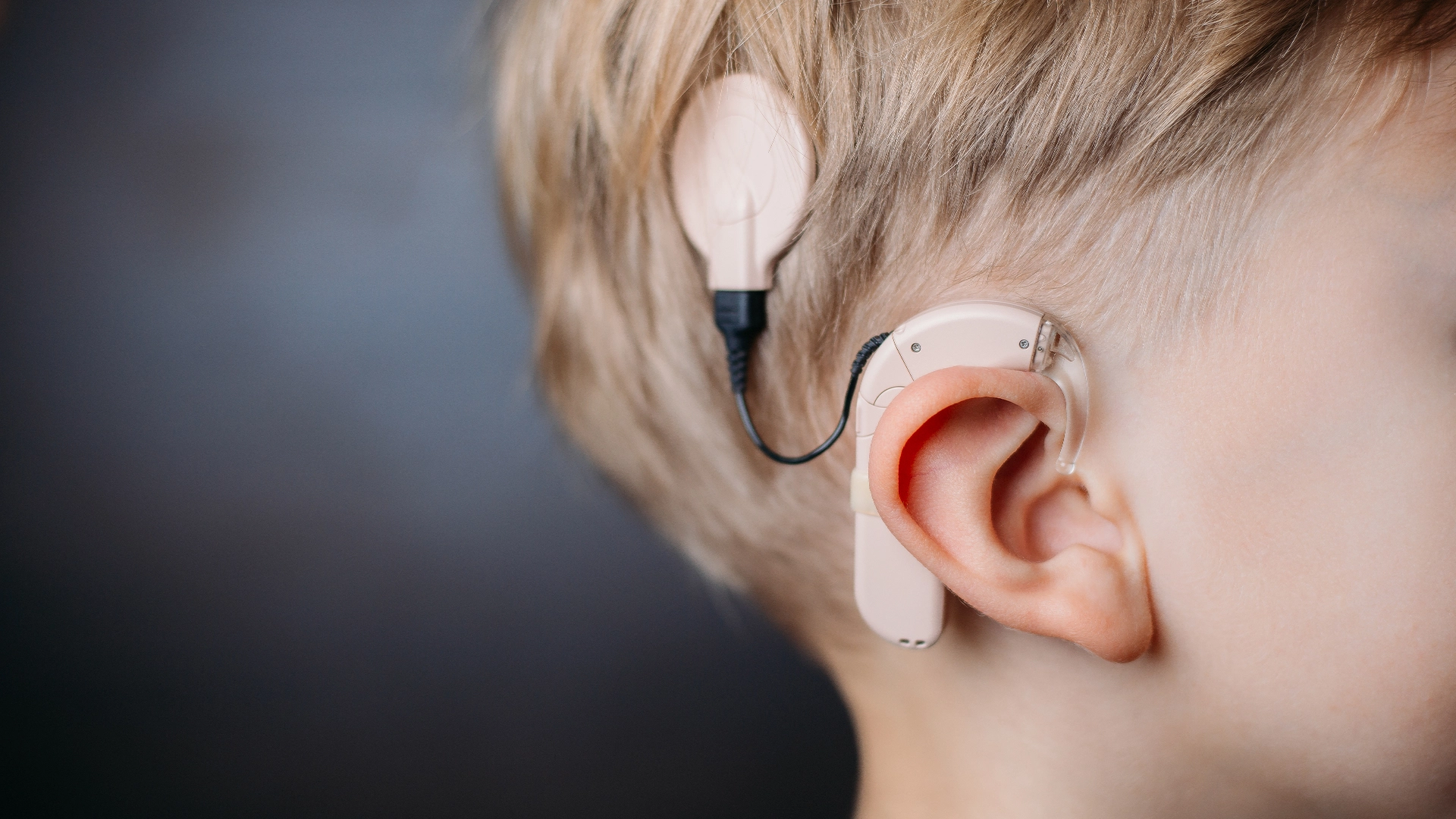
The LSL communication approach relies on optimized hearing technologies, specialized early intervention with certified professionals, and strong parent–professional partnerships. These cornerstones help ensure children develop listening and language skills comparable to their hearing peers with typical hearing by first grade. LSL is one of several communication approaches available to families of children who are deaf or hard of hearing.
Who is the LSL-FSI for?
Housed in Samford University’s Department of Communication Sciences and Disorders, the LSL-FSI program provides master’s students in speech-language pathology with advanced coursework and experiences in the LSL. The initiative prepares students to serve children who are deaf or hard of hearing and their families across a variety of contexts.
What Will I Learn?
The LSL-FSI provides focused and intentional training opportunities for speech-language pathology students in evidence-based listening and spoken language practices. Students will be prepared to serve young children who are deaf or hard of hearing and their families while building a strong clinical foundation across the entire SLP scope of practice.
The initiative also creates an accelerated path to pursing LSLS certification through the LSLS Launchpad program with the Alexander Graham Bell Academy after graduation. For more information about the LSLS Launchpad, please contact Dr. Carden, LSL-FSI Director.
LSL-FSI Opportunities:
- Weekly learning and mentorship meetings with the LSL-FSI cohort
- Structured mentorship program with an external LSLS practitioner
- Volunteer opportunities with the deaf/hard of hearing community
- First year LSL clinical experience under the supervision of the LSL-FSI director
- Specialized academic courses, including LSL Research and LSL Practice
- Full-time clinical rotation with a certified LSLS
- LSL conference attendance opportunities
Program Director
Kameron C. Carden is an assistant professor, director of clinical education and director of the LSL-FSI. She is a certified listening and spoken language specialist with more than 15 years of experience. Carden holds a doctorate in special education from The University of Alabama, a master’s degree in speech-language pathology from the University of Florida and a bachelor’s degree in communication sciences and disorders from the University of Georgia.
Her research focuses on language development, assessment practices and eligibility determination for preschoolers who are deaf or hard of hearing. This expertise guides graduate students through evidence-based training in listening and spoken language practices, preparing them to help young children learn to listen and talk.
More Information
The LSL-FSI is a scholarship-awarded program. Scholarship application information is distributed to prospective students during the graduate application process. For more information about the LSL-FSI scholarship application, contact Rebecca Vanhook.
For more information about the LSL-FSI program, contact Kameron Carden.
